
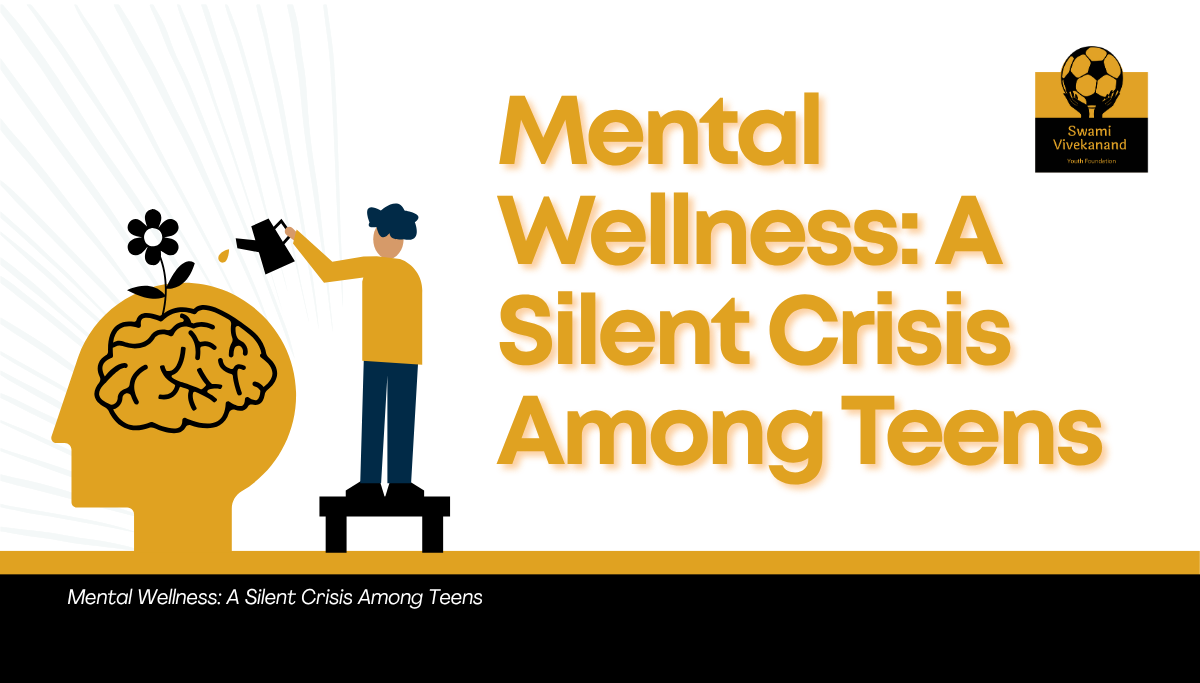
In today’s fast-paced, hyper-connected world, teenagers face pressures unlike any previous generation. While conversations around physical health have gained prominence, mental wellness still remains a silent crisis—especially among the youth. Behind smiling selfies and perfect reels, many teens are battling anxiety, depression, self-doubt, and isolation. It’s time we acknowledge this hidden struggle and take urgent steps toward creating a supportive environment that prioritizes mental well-being.
Teenagers today are expected to excel in academics, participate in extracurriculars, plan their careers early, and maintain a thriving social life—all at once. With constant competition and the fear of missing out (FOMO), many teens internalize the belief that their worth is tied to achievements or popularity. This relentless pressure to perform often leads to burnout, low self-esteem, and chronic stress, which, if ignored, can turn into severe mental health issues.
While technology has connected the world, it has also introduced new forms of stress. Social media platforms often portray an idealized version of life, leading teens to compare themselves with others. A simple scroll can trigger feelings of inadequacy or loneliness. Cyberbullying, online trolling, and the pressure to seek validation through likes and shares further damage their self-worth. Instead of being a tool for connection, the digital world has become a silent battlefield for many teenagers.
One of the biggest hurdles in addressing teen mental wellness is the stigma surrounding it. Many teens hesitate to talk about their feelings due to the fear of being judged, misunderstood, or labeled “weak.” In many families and schools, mental health is still not discussed openly. As a result, teens suppress their emotions, leading to deeper psychological issues. Early intervention is often missed because signs of distress are either ignored or misunderstood.
Mental wellness is not just a personal responsibility—it’s a collective one. Parents need to build open lines of communication with their children, free from judgment or harsh criticism. Teachers must be trained to identify signs of distress and create emotionally safe classrooms. Peers should be encouraged to show empathy and kindness, rather than competition or ridicule. Simple acts of listening and understanding can make a big difference.
It’s crucial to create platforms and spaces—both online and offline—where teenagers can express themselves freely. Counseling centers in schools, awareness campaigns, youth clubs, sports groups, and NGOs can play a significant role in nurturing mental wellness. Activities like meditation, journaling, sports, art, and volunteering can also help teens manage stress and feel more grounded.
Mental wellness among teens is a growing concern, but it doesn’t have to be a silent crisis. With awareness, support, and collective action, we can create a world where every teen feels seen, heard, and valued. Let us listen more, judge less, and remember—mental health is just as important as physical health. It’s time to care, speak up, and act.

